
Wednesday, 28 October 2026
Find Your Right Franchise Fit – How to choose a business you can grow with.
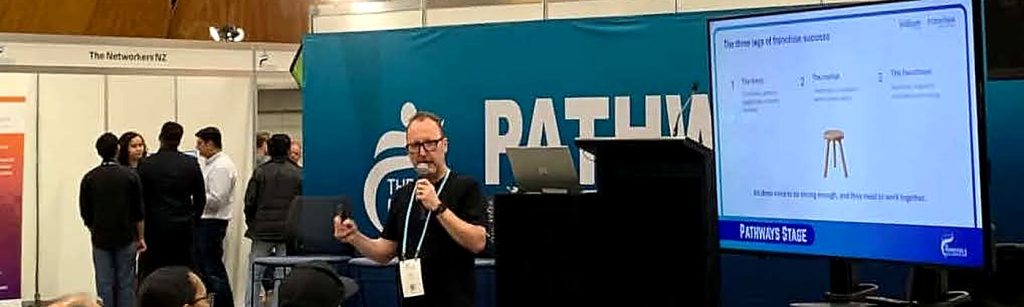
Nathan Bonney, Director and Founder of Iridium Partners, presented this session at the Franchise and Small Business Expo. Here are the practical questions discussed for anyone weighing up which franchise opportunity may be the right fit.
At an Expo, it is easy to be drawn to the brands you recognise, the products you like and the returns that catch your eye. Those are reasonable starting points. But the more important question is whether a franchise is the right one for you.
Buying a franchise is an investment of money, time and often family energy. A business can be well run and successful for other franchisees, yet still be a poor fit for your skills, lifestyle or ambitions. The best decisions test the brand, the market and the franchisee.
Start with your definition of growth
Before assessing any opportunity, be clear about what you want it to become. Growth might mean building one strong local business with manageable hours. It could mean moving from hands-on operator to employer and leader, adding a second territory or site, or creating an asset that can eventually support family succession or a sale.
I sometimes frame this as collecting apples or growing an orchard. A sole operator is often paid directly for their own effort. A franchise can begin that way too, but a well-built business may grow through repeat customers, capable team members and additional operating units. The key question is not only “What can this pay me in year one?” but “What could I build over five or ten years, and do I want the work that growth requires?”
Test the three legs of the stool
First, test the brand and business model. Look beyond recognition and ask whether the unit economics work: after people, premises, delivery, marketing and operations, is there enough to reward the owner and provide a return? Understand demand, training, support and what successful franchisees actually do. A recognised name does not remove the need for sound numbers and consistent execution.
Second, test the market and location. Consider the available customer base, competition and the share of the market needed to meet sales targets. For a physical site, look at visibility, access, parking and occupancy costs. For a service territory, examine population, travel time and capacity for the scale you want. Data is useful, but it should not replace observation. Visit at different times, visit competitors and see how customers behave.
Third, test yourself. Can you see yourself representing the brand? Do you understand what the successful owner does each day? Can you lead people, win customers, manage the numbers and work within a system? A franchise provides a framework, not a passenger seat.
Do not confuse the product with the job
Enjoying a product is not the same as enjoying the business behind it. Loving coffee does not automatically mean you will enjoy recruiting and rostering a team, managing food costs and delivering service through a busy seven-day trading week. Equally, you do not always need the technical skills associated with the product. A successful salon owner may be a great people leader and local marketer rather than the best stylist in the room.
Think honestly about the work that energises you. Are you comfortable with sales, customer relationships, delegation and difficult conversations? Does a weekday model fit your family life better than a consumer-facing seven-day operation? The aim is to find a business where your strengths and willingness to learn align with the activities that most influence success.
Treat discovery as a two-way process
The franchise enquiry process is not a commitment. It is a two-way interview. The franchisor is deciding whether you have the capability, values and resources to represent its brand. You are deciding whether the system, role and opportunity can support the business and life you want to build.
Prepare a short personal brief before you enquire: preferred location, investment capacity, desired role, lifestyle constraints and longer-term goal. Visit locations, take an observation day if offered, and speak with several franchisees – not only the top performers. Ask what a normal week looks like, what took longer than expected and what they wish they had known at the start.
Finally, review the disclosure material, agreement, financial information, site or territory assumptions, fees and exit provisions with franchise-experienced legal and accounting advisers. They can help test the decision, but only you can decide whether the role is right for you.
A good franchise is not automatically your right franchise. Look for the place where the brand, market and franchisee fit together and where the work you put in today can build the future you actually want.