
Wednesday, 18 February 2026
Kitchen Studio: The System Behind a Franchise Designed for Stability and Growth
Why the system matters
When you invest in a franchise, you’re not just buying a brand, you’re buying the quality of the system behind it. In a category as high-consideration as kitchens, the strength of that system is what creates confidence, consistency, and long-term returns. A well-built franchise model reduces guesswork by turning what could be ad-hoc decisions into repeatable processes: how leads are generated, how customers are guided through design, and how projects are delivered on time and on budget.
Four decades of proof
Kitchen Studio is 40+ years young, with a track record built on doing the fundamentals exceptionally well: design-led selling, a proven project workflow, and a customer experience engineered to reduce stress and build trust. It’s a model refined over decades, one that has delivered tens of thousands of kitchens into New Zealand homes, year after year. Longevity like that isn’t accidental; it’s often the clearest signal that the operating system has been tested through real market cycles and can adapt as customer expectations shift.
The financial value of maturity
That history matters financially. A mature brand with repeatable systems can reduce the “start from scratch” risk that comes with independent business ownership. Franchisees step into established processes, national brand presence, and a framework designed to support conversion, from enquiry through to installation and aftercare. In practical terms, a strong system supports smoother project management, better customer communication, and more consistent delivery, all of which protects margins and reputation in a premium purchase category.
Growth, with structure
Just as important: Kitchen Studio is looking forward. The business is expanding, with new territories opening up, creating opportunity for franchisees who want to establish a strong local footprint backed by a proven national network. In a franchise context, territory planning is more than a map, it’s the logic of demand, travel time, population growth, and local visibility. When it’s done well, it helps a franchisee build a market methodically rather than competing in a crowded patchwork.
Scaling locally: satellite showroom potential
A key advantage in many emerging territories is the potential for a second or satellite showroom. Depending on geography and population spread, a satellite space can extend reach and improve convenience for customers, especially in regions where travel distances can be a barrier to initial appointments. It can also lift brand visibility and create a practical pathway to scale: more local touchpoints, more consultations, and greater coverage without relying solely on one location.
Brand refresh and what it signals
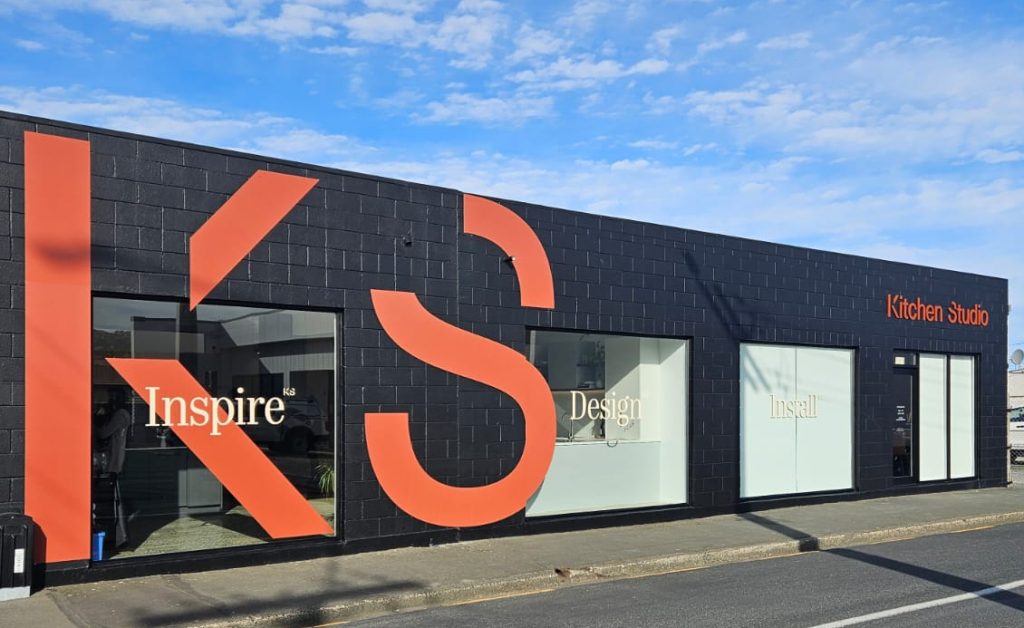
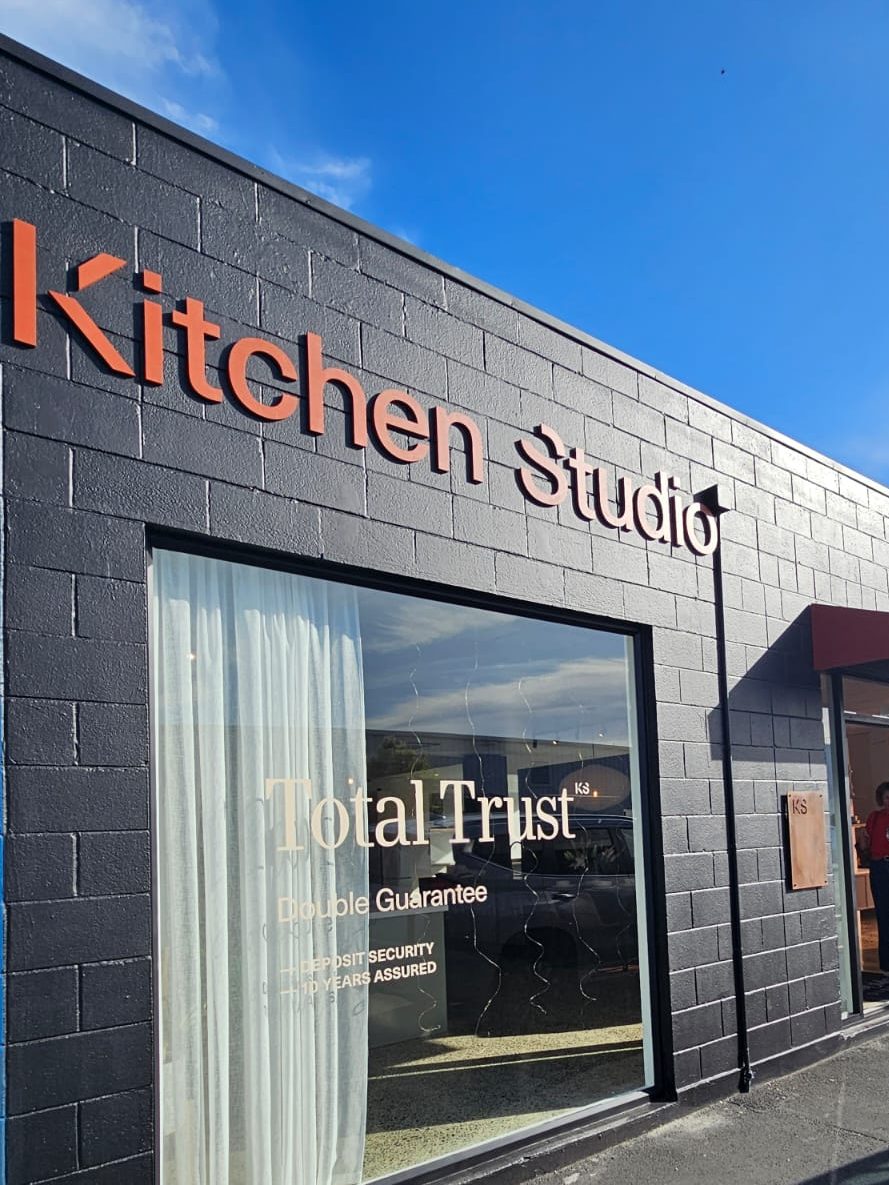
Kitchen Studio’s brand refresh launching from February 2026 is more than a tidy-up, it’s a strategic shift in how the brand stands out in a market where customers often judge quality before they’ve even spoken to a designer. Updated showroom signage, a new website, and refreshed marketing collateral will create a cleaner, more contemporary presence across every touchpoint, helping Kitchen Studio look as premium as the product it delivers.
In practical terms, a modern, sophisticated look can drive customer demand because it improves “first-impression confidence”. When a homeowner is comparing options, the brands that feel current, design-led, and cohesive tend to stand out, online, on the street, and the moment someone steps into a showroom. A stronger visual identity also supports clearer positioning: it signals quality, trust, and attention to detail, which are exactly the cues customers look for when they’re about to make a high-value renovation decision.
For prospective franchisees, the refresh is worth noting because it’s an indicator of a franchisor investing in future relevance. It can lift enquiry volume through improved cut-through, make marketing more effective by presenting a consistent national story, and help franchisees compete locally with a sharper “shop window” to the brand, digitally and physically. In other words, it’s not just a new look; it’s an upgrade to how the business attracts, reassures, and converts customers in a modern market.
What to look for when evaluating a franchise system
Ultimately, assessing a franchise comes down to understanding the system: how long it’s been proven, how it supports performance, and how it plans for future growth. Looking at factors like brand trust, territory strategy, and ongoing investment gives a clearer picture of what you’re really buying, and what you’ll be building over time.